Cricket is more than just a sport; it is an emotion that unites millions of people across countries, cultures, and generations. A cricket match is a perfect blend of physical skill, mental strength, teamwork, strategy, and passion. Whether played on a dusty village ground or in a world-class stadium packed with cheering fans, a cricket match captures attention like few other games can. From the crack of the bat to the roar of the crowd, every moment contributes to an unforgettable experience.
This post explores the essence of a cricket match in detail—its structure, atmosphere, key moments, strategies, players’ roles, and the excitement it generates—while celebrating why cricket holds such a special place in the hearts of its followers.
Introduction to a Cricket Match
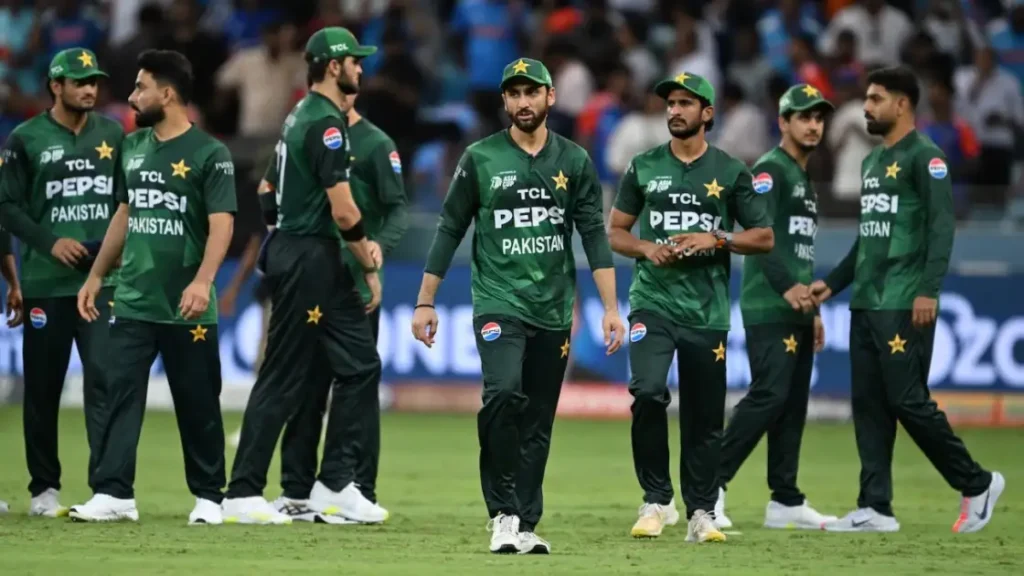
A cricket match is played between two teams, each consisting of eleven players. The primary objective is simple in theory but complex in execution: one team bats to score as many runs as possible, while the other team bowls and fields to restrict runs and dismiss batters. After both teams have had their turn to bat, the team with the higher score wins the match.
However, what makes cricket unique is its variety. Matches can last from a few hours to as long as five days, depending on the format. Test matches, One Day Internationals (ODIs), and Twenty20 (T20) games each offer a different flavor of excitement. Regardless of the format, every cricket match tells a story filled with tension, momentum shifts, and moments of brilliance.
The Setting and Atmosphere
The atmosphere of a cricket match is one of its most captivating aspects. Stadiums come alive with colorful jerseys, waving flags, rhythmic chants, and enthusiastic applause. Fans arrive hours before the match begins, eager to witness their favorite players in action. Vendors sell snacks, drinks, and team merchandise, adding to the festive mood.
In international matches, national pride is at stake. The crowd’s energy can inspire players to perform beyond their limits. Even in local or school-level matches, the presence of spectators creates excitement and pressure, making every run and wicket feel important.
The pitch at the center of the ground plays a crucial role in shaping the match. A dry, cracked pitch may favor spin bowlers, while a green, grassy surface might assist fast bowlers. Weather conditions such as sunlight, humidity, and cloud cover also influence gameplay, making each cricket match unique.
The Toss: A Crucial Beginning
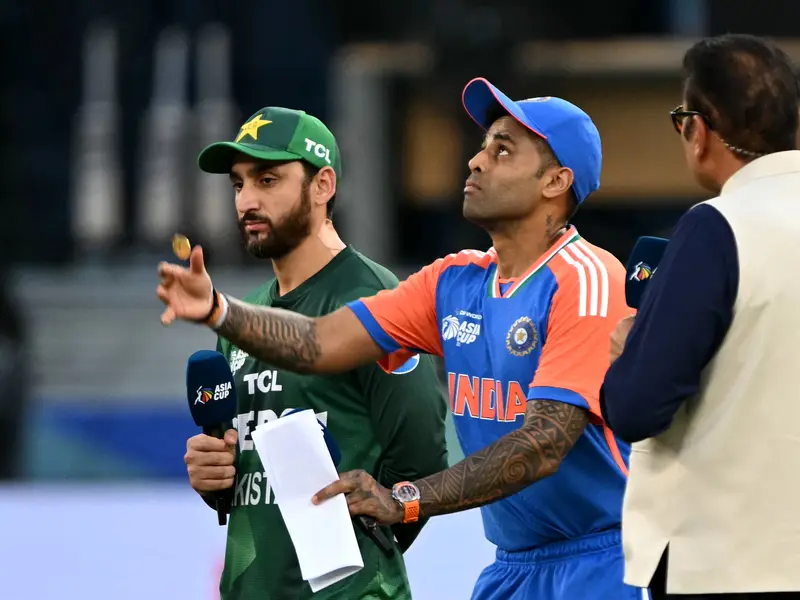
Every cricket match begins with the toss, where the captains of both teams meet in the middle of the ground. The toss decides which team will bat or bowl first. While it may seem like a small ritual, the toss can significantly impact the outcome of the match.
Captains consider pitch conditions, weather forecasts, team strengths, and match format before making their decision. Batting first may be advantageous on a good pitch, while bowling first could help exploit early moisture or favorable conditions. The toss sets the tone for the entire match and adds an early layer of strategy.
The Batting Innings: Building the Score
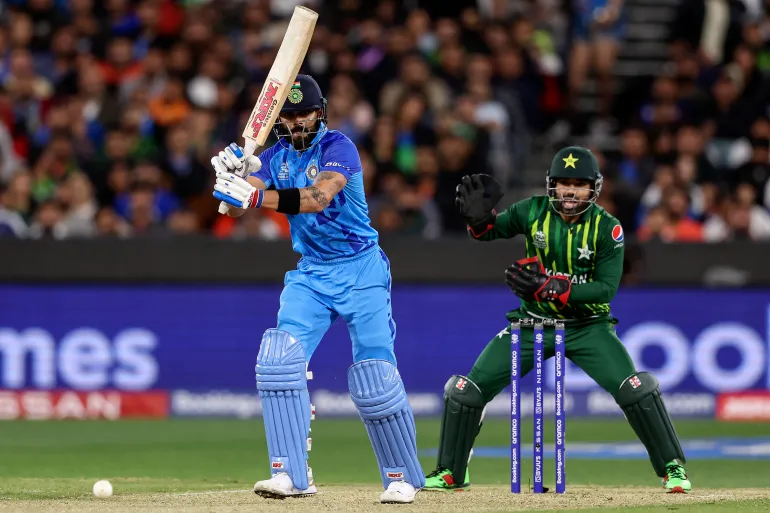
Once the match begins, the batting team sends two batters to the crease. Their goal is to score runs by hitting the ball and running between the wickets or by striking boundaries—fours and sixes. Batting requires a combination of technique, timing, footwork, and mental focus.
Opening batters face the new ball, which is hard and can swing or seam unpredictably. They must be patient, cautious, and resilient. As the innings progresses, middle-order batters stabilize the score, while lower-order batters often play aggressive shots to add quick runs.
Every run matters in a cricket match. A well-timed cover drive, a delicate glance to fine leg, or a powerful pull shot can electrify the crowd. Partnerships between batters are crucial, as they build momentum and put pressure on the bowling team.
Bowling and Fielding: The Art of Dismissal
While batters aim to score runs, bowlers strive to take wickets and control the flow of the game. Bowling in cricket is an art that demands precision, variation, and intelligence. Fast bowlers rely on pace, swing, and bounce to trouble batters, while spin bowlers use turn, flight, and deception.
Each bowler has a unique style and strategy. Some target the stumps, others aim for the edges of the bat. Changes in speed, length, and angle keep batters guessing. A well-executed delivery can turn the match in an instant.
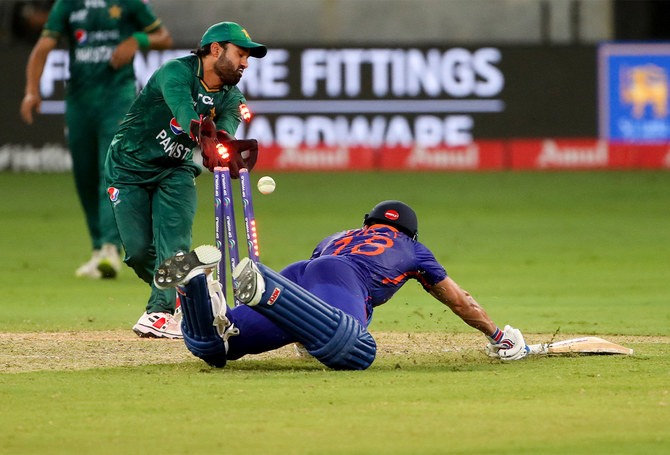
Fielding complements bowling efforts. Agile fielders save runs, execute sharp catches, and effect quick run-outs. A single brilliant fielding moment can lift the entire team’s morale. In modern cricket, athletic fielding has become as important as batting and bowling.
Key Moments That Define a Cricket Match
Every cricket match is remembered for its defining moments. These may include a spectacular catch near the boundary, a hat-trick by a bowler, or a batter reaching a century after a long struggle. Such moments create lasting memories for players and fans alike.
Momentum shifts are common in cricket. A team dominating the match can suddenly lose a cluster of wickets, allowing the opposition to regain control. Conversely, a quick burst of boundaries can change the course of the game within minutes. This unpredictability is what makes cricket so thrilling.
The Role of the Captain and Team Strategy
The captain plays a vital role in a cricket match. From setting the field and rotating bowlers to motivating players and making tactical decisions, the captain’s leadership often determines the team’s success. A smart captain reads the game situation and adapts strategies accordingly.
Team strategy varies depending on the format. In Test cricket, patience and endurance are key, while limited-overs formats demand aggressive tactics and innovation. Teams analyze opponents’ weaknesses and plan accordingly, making cricket a game of both skill and intellect.
Different Formats, Different Excitement
One of cricket’s greatest strengths is its variety of formats. Each format offers a unique experience:
- Test Matches are the purest form of cricket, played over five days. They test players’ endurance, technique, and mental toughness.
- One Day Internationals (ODIs) are played over 50 overs per side, balancing patience with aggression.
- Twenty20 (T20) matches are fast-paced and explosive, often decided in just a few hours.
Despite their differences, all formats share the same fundamental spirit and excitement that define a cricket
Sportsmanship and the Spirit of Cricket
Cricket is often referred to as a gentleman’s game because of its emphasis on fair play and respect. The “Spirit of Cricket” encourages players to uphold integrity, respect opponents, and accept decisions gracefully.
Handshakes after the match, applauding good performances by opponents, and playing within the rules reflect the values cricket seeks to promote. While competition is intense, sportsmanship remains at the heart of the game.
The Final Overs and Result
As a cricket match approaches its conclusion, tension reaches its peak. If the chasing team is close to the target, every ball becomes crucial. Fans hold their breath as batters calculate risks and bowlers strive for accuracy.
The final result—whether a thrilling win, a narrow loss, or a hard-fought draw—leaves a lasting impression. Celebrations erupt for the winning team, while the losing side reflects on lessons learned. Regardless of the outcome, the match contributes to the players’ growth and the fans’ memories.
Impact of Cricket Matches on Society
Cricket matches have a significant social and cultural impact. They bring people together, foster national pride, and inspire young athletes. Iconic matches and legendary performances become part of history, passed down through generations.
Cricket also promotes teamwork, discipline, and perseverance. For many aspiring players, watching a cricket match sparks dreams of representing their country one day. The game serves as a powerful tool for unity and inspiration.
A cricket match is far more than a contest between bat and ball. It is a celebration of skill, strategy, teamwork, and emotion. From the opening delivery to the final ball, every moment contributes to a rich and dynamic narrative. The excitement of a close finish, the elegance of a well-played shot, and the drama of a crucial wicket make cricket a truly special sport.
Whether played at an international level or in a local park, a cricket match has the power to entertain, inspire, and unite. It teaches valuable life lessons while providing endless enjoyment to millions around the world. This timeless game continues to evolve, but its essence remains unchanged—a beautiful balance of competition, respect, and passion.
The Final Overs and Result
As a cricket match approaches its conclusion, tension reaches its peak. If the chasing team is close to the target, every ball becomes crucial. Fans hold their breath as batters calculate risks and bowlers strive for accuracy.
The final result—whether a thrilling win, a narrow loss, or a hard-fought draw—leaves a lasting impression. Celebrations erupt for the winning team, while the losing side reflects on lessons learned. Regardless of the outcome, the match contributes to the players’ growth and the fans’ memories.
Impact of Cricket Matches on Society
Cricket matches have a significant social and cultural impact. They bring people together, foster national pride, and inspire young athletes. Iconic matches and legendary performances become part of history, passed down through generations.
Cricket also promotes teamwork, discipline, and perseverance. For many aspiring players, watching a cricket match sparks dreams of representing their country one day. The game serves as a powerful tool for unity and inspiration.